

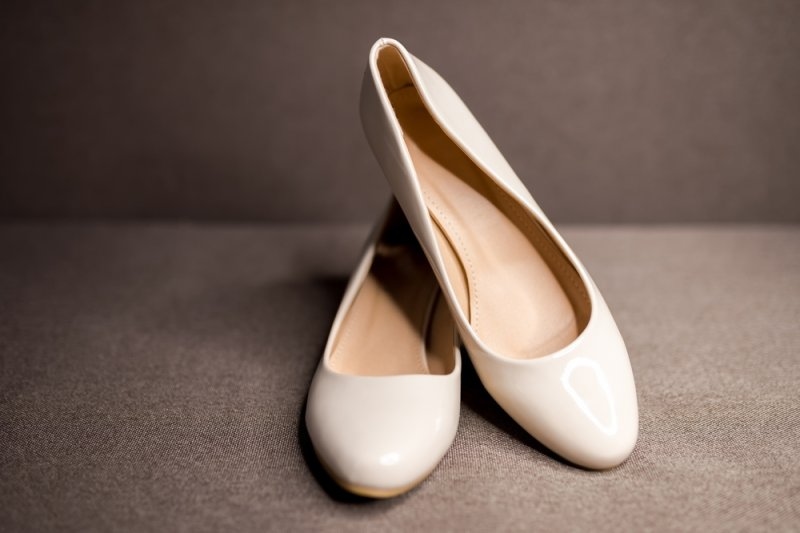
What’s wild is how ballet flats never completely disappear. Trends shift—sneakers get chunkier, heel heights bounce up and down—but ballet flats just keep coming back. Their secret? They feel tidy and put-together without asking your feet to suffer. In a busy wardrobe that needs to pivot quickly, that really counts.
But let’s be real—one pair doesn’t work with everything. Shape, toe style, sole thickness, material- all this stuff really changes the vibe. A dainty pair can feel classic and understated; chunkier flats look modern and have a bit more edge. If you care about making flats work for your outfits, you have to pay attention to these details.
Ballet flats occupy a useful middle ground between dress shoes and casual footwear. They have the visual neatness of a traditional flat, yet they rarely look as utilitarian as basic walking shoes. That flexibility is exactly why ballet flats continue to earn space in wardrobes.
Ballet flat shoes work because they do not demand a complicated outfit around them. Wear them with straight-leg trousers, a midi skirt, relaxed denim, or a simple dress. The shoe changes slightly depending on the clothing, but it rarely feels out of place.
A pointed pair sharpens tailoring. A rounded version feels softer. Metallic ballet flat shoes can even make an ordinary jeans-and-shirt combination look considered without becoming dressy.
Women's ballet flats are no longer limited to the classic soft, rounded design associated with traditional dance shoes. Current versions include square toes, mesh panels, Mary Jane straps, slingbacks, buckles, woven finishes, and sharper silhouettes.
That variety matters. Women's ballet flats can now fit minimalist wardrobes, romantic dressing, office outfits, or slightly rebellious looks. The category has widened considerably.
Don’t Miss Out: Explore the Best Shoe Brands for Men for Every Occasion
Comfort should not mean shapeless. The best comfortable ballet flats combine a flexible upper with enough structure to keep the foot supported. Sole construction matters too; a completely flat, paper-thin shoe may look attractive but feel tiring after several hours.
Look for cushioning, a secure heel, and enough room around the toes. Comfortable ballet flats should stay on the foot without forcing you to grip with your toes.
Women's flat shoes often get judged only by comfort, but visual proportion matters just as much. A very delicate shoe can look lost beneath wide trousers, while a thick sole may overwhelm a narrow ankle and lightweight dress.
A useful approach is to match the shoe's visual weight with the clothing. Wide trousers usually handle a stronger flat. Slim trousers can take something more refined. It sounds obvious; somehow it gets ignored.
Leather, suede, woven fabric, mesh, and synthetic materials all behave differently. Leather tends to develop character, while suede gives an outfit a softer texture. Mesh feels lighter and more modern but may require more care.
For frequent wear, choose materials based on your actual routine rather than appearance alone. Pretty shoes that stay in the cupboard are not useful.
Also Read: Discover the Best Shoes for Flat Feet and Arch Support
The strongest wardrobe shoes are adaptable. Women's ballet flats can move between settings when their shape is restrained, and their color is easy to combine.
| Ballet Flat Style | Best With | Overall Effect |
|---|---|---|
| Black leather | Trousers, dresses, denim | Clean and polished |
| Neutral suede | Knitwear, denim, skirts | Soft and understated |
| Metallic finish | Simple tailoring, evening looks | More expressive |
| Square toe | Wide-leg trousers, midi skirts | Modern and structured |
| Mary Jane flat | Dresses, cropped trousers | Playful and refined |
The table also shows why buying another pair only because the color is slightly different may not add much. A different silhouette often gives more value.
Ballet flat shoes can work well in offices where formal heels are unnecessary. A structured leather pair with tailored trousers creates a sharper look than sneakers while remaining practical for commuting.
Keep decoration restrained if the workplace is conservative. A pointed toe, low-profile shape, or dark neutral usually feels more professional.
Ballet flats do not have to make weekend outfits formal. Try them with loose jeans and a tucked-in T-shirt, then add a cardigan or oversized jacket. The contrast works because the shoe gives a relaxed outfit a little structure.
This is where ballet flats can feel surprisingly current. The rest of the outfit does not need to be delicate.
Dive Deeper: Guide to Buy Eco-Friendly Shoes Online with These Smart Tips
They’re not just nostalgia—ballet flats earn their place because they actually help. You get polish without dealing with heels, structure that isn’t clunky like most sneakers, and enough options to match anybody’s style. The most reliable pairs are comfortable, well-designed, easy to wear, and fit with how you actually live.
The smartest way to shop? Don’t go wild. Buy one pair that fills a real need, then build from there. They cover mornings at the office, errand runs, casual dinners, and everything in between. And if you nail the shape, the flats look intentional—not just practical.
Sure, as long as you pick the right design. Light ankle socks or sheer ones work, especially with cropped pants or skirts. Just make sure the socks match the shoe so they don’t look out of place.
Definitely, as long as your trip involves city walking, shopping, museums, or dinner. Choose comfortable pairs with cushioning, a snug heel, and a flexible sole—not those ultra-thin trendy ones.
Absolutely. They’re great for daytime weddings or events where heels aren’t required. Pick a refined material, sleek toe, or a subtle metallic finish to keep things looking intentional.
Keep them dry, give them time to air out after wearing, and don’t stack heavy shoes on top. Use shoe trees or even tissue paper for delicate materials, so they hold their shape.
Usually, but it comes down to how they’re built. Look for good toe room, straps if you need them, and a heel that actually stays put. Trying a few different shapes is way more helpful than following just one fit rule.
This content was created by AI